FOR IMMEDIATE RELEASE
November 3, 2026
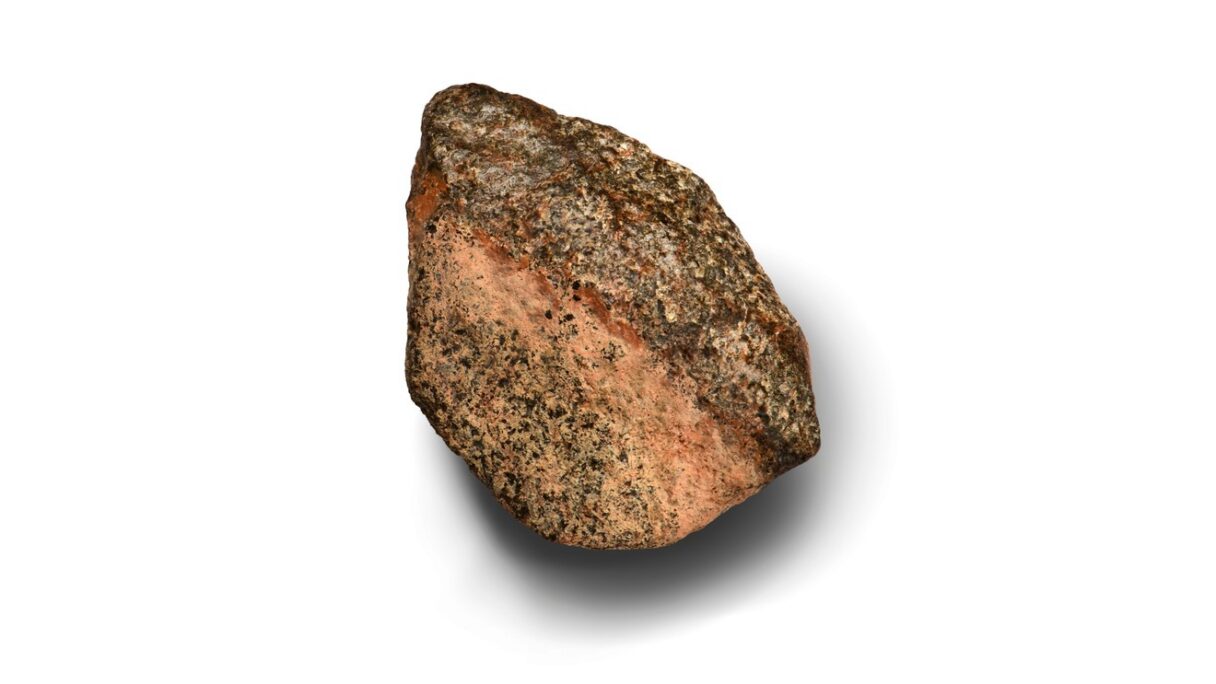
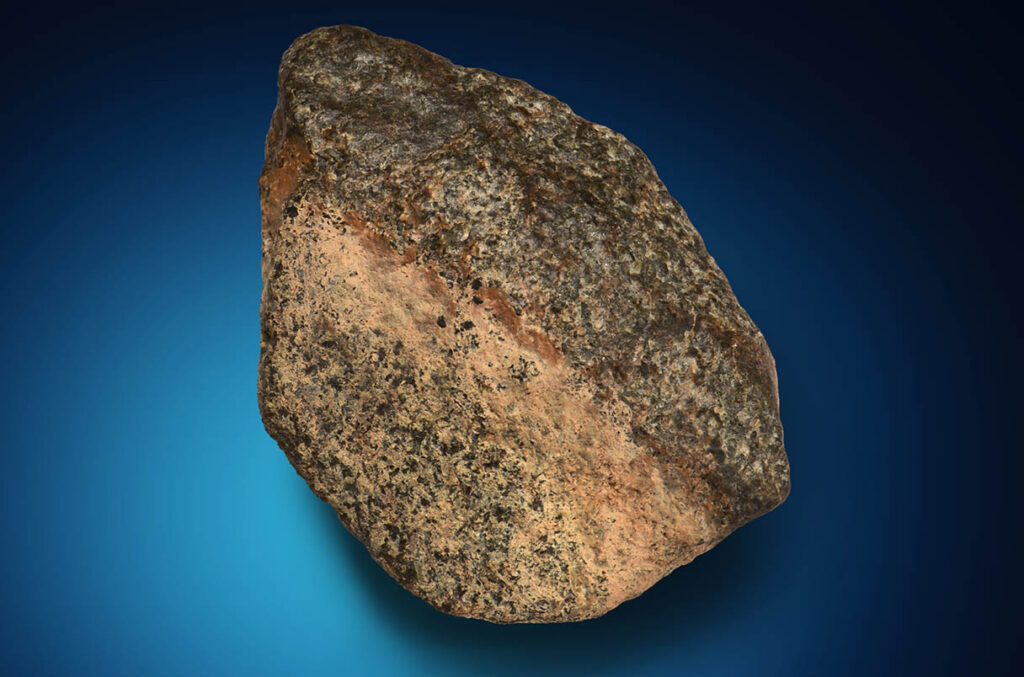
Sought after by scientists worldwide, the vast majority of Teghaza 001 has been acquired by the MMGM, where the largest specimen will go on display November 11th
BETHEL, MAINE, November 10, 2026 — The Maine Mineral & Gem Museum (“MMGM”), Maine’s
premier science museum, announced that it has secured another landmark acquisition, the Martian
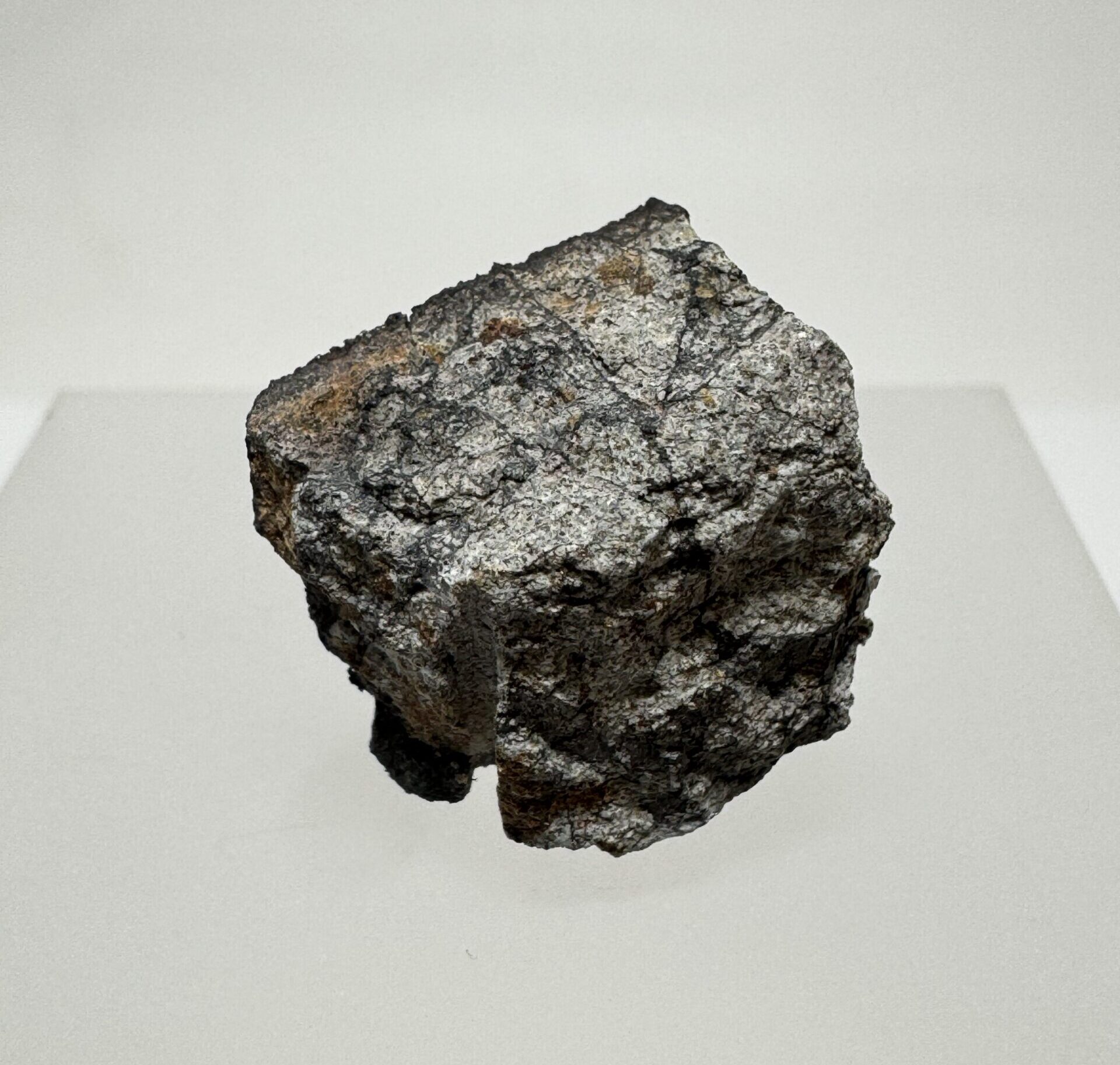
meteorite Teghaza 001 (TEG 001). Science, one of the world’s foremost scientific journals, just published an article on the extraordinary TEG 001 meteorite, the vast majority of which resides at the MMGM in Bethel, Maine. Starting November 11, museum visitors will be able to see the largest specimen of TEG 001, displayed next to the single largest piece of the Moon on Earth.
Unlike any other Martian sample, TEG 001 is mineralogically unique, originating from an unsampled region of Mars; it is also the second oldest known piece of the Red Planet known to exist. In addition, TEG 001 contains hydrous minerals, offering a snapshot of the long-suspected watery Mars of billions of years ago — a stark contrast to the barren planet we know today. Because the water alteration occurred 4.1 billion years ago, the meteorite itself is likely even older.
“One of the paper’s reviewers called TEG 001 a Rosetta Stone for Mars…and, indeed, we’ve only begun to scratch the surface,” said Dr. Yang Liu of NASA’s Jet Propulsion Laboratory in Pasadena, California, and lead author of the newly published Science article. Sahrawi meteorite hunters found TEG 001 in Mali’s Sahara Desert in 2022, near an ancient salt mine that was a major North African source of rock salt until the late 1500s. Learning of its existence shortly after the discovery, Darryl Pitt, Meteorite Chair for MMGM, strongly recommended that Dr. Lawrence Stifler, the MMGM co-founder, acquire TEG 001 for the Museum.
There is only 1¾ pounds of the TEG 001 meteorite, and samples are in great demand. All research requests are being vetted by MMGM consultant and renowned UCLA cosmochemist, Dr. Alan Rubin. TEG 001 reached Earth after an ancient asteroid struck Mars, launching Martian surface material into space. Some of those fragments entered an Earth-crossing orbit. Exceedingly rare, the total weight of every Martian meteorite documented is less than 500 kg and could fit in the trunk of a mid-sized car. “Before sending a sample to Yang Liu, I wondered whether TEG 001 might represent a new type of Martian meteorite,” said co-author Dr. Carl Agee, director of the Institute of Meteoritics at the University of New Mexico. “Among the fascinating revelations is evidence of an early Mars that is more Earth-like. The scientific community is fortunate that much of this extraordinary meteorite will be preserved for posterity at the MMGM.”
About the Maine Mineral & Gem Museum
Located in the mountain town of Bethel, less than 70 miles from Portland, the MMGM holds over 80,000 specimens of pegmatites, polished gemstones and precious minerals, all mined in Maine. In addition, it features 22 interactive exhibits, an extensive laboratory, and more of the Moon than all of the natural history museums in the world combined.
Media Contact: Steve Saleeba
steve@hollywoodagency.com / 401.480.6466